Can Long-Distance Relationships Work?
 By the Balkanza team
·

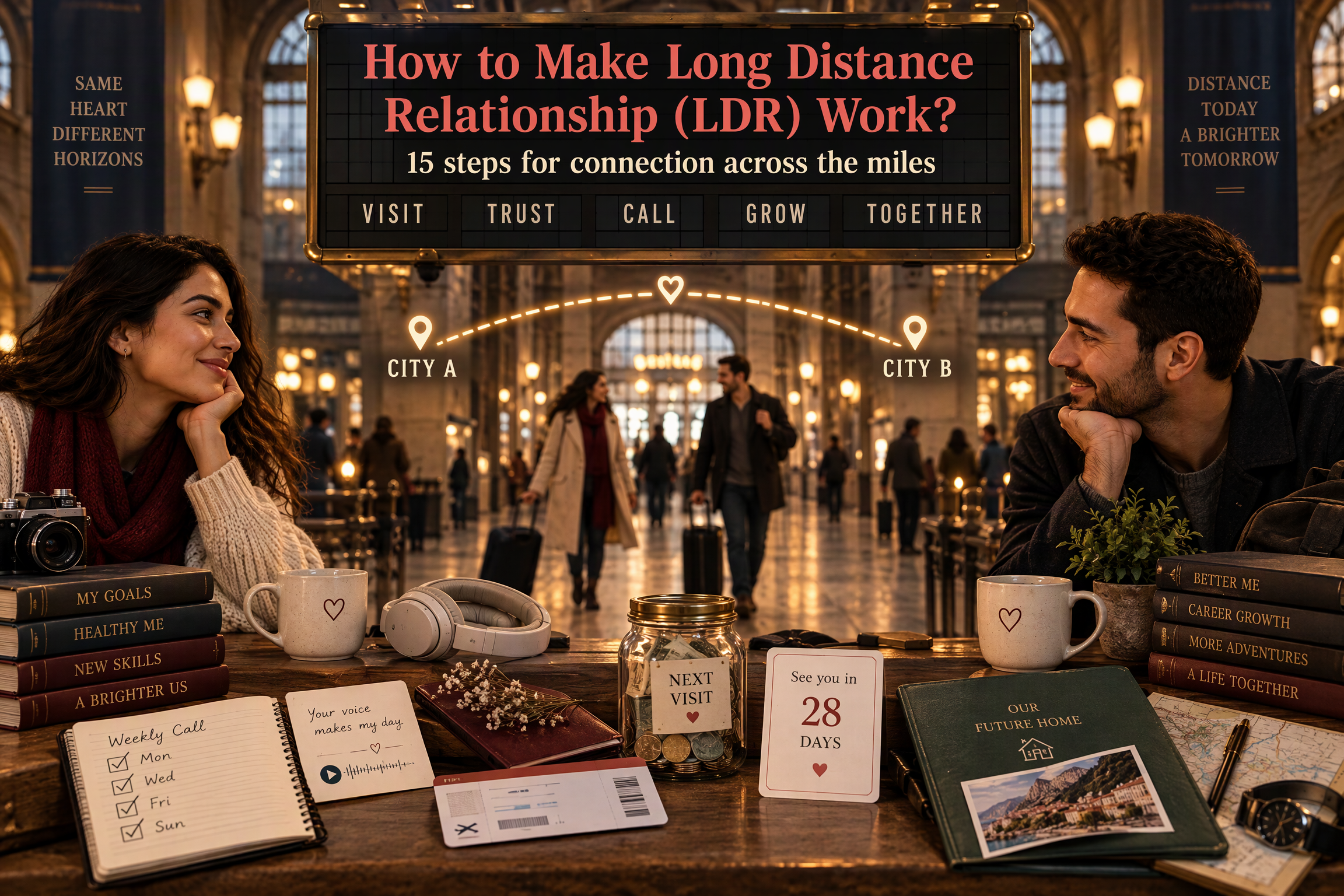
Long-distance relationships work when both partners maintain trust, communicate honestly, and share a commitment to the future. Regular conversations, emotional support, planned visits, and clear boundaries help couples stay connected despite physical separation. Discussing future plans, career goals, and living arrangements gives the relationship direction and purpose. Patience and flexibility help partners manage unexpected challenges while respecting each other's needs and responsibilities. When both partners contribute consistent effort and work toward shared goals, distance does not have to prevent a healthy, lasting relationship.
Couples strengthen their bond by creating routines that provide stability without making communication feel like an obligation. Small gestures, such as thoughtful messages, virtual dates, and celebrating milestones together, help maintain affection between visits. Honest conversations about loneliness, jealousy, and unmet expectations prevent minor concerns from becoming lasting conflicts. Partners must respect each other's independence while remaining emotionally available during difficult periods. Regularly reviewing relationship goals helps couples confirm that their expectations remain aligned as circumstances change. A shared vision, mutual respect, and reliable effort provide a strong foundation for lasting love across distances.
How Do Long-Distance Relationships Work?
Long-distance relationships work through regular communication, emotional support, trust, and time together that the couple plans in advance. Partners stay connected through calls, messages, video chats, online activities, and visits. Shared expectations help couples manage the problems that come with living apart. Agreeing on routines for contact, visits, and decisions lowers uncertainty and keeps both partners invested.
Consistent effort helps partners feel valued despite the physical distance. Couples build emotional intimacy by sharing daily experiences, discussing personal concerns, and making time for meaningful conversations. Trust grows when partners keep promises, respect boundaries, and communicate honestly about changes in their schedules. Planning future visits and discussing long-term goals give the relationship direction and help both partners feel secure. Flexibility and mutual understanding help couples adapt when work, finances, or personal responsibilities affect their plans. The practical steps behind a working connection are covered in Long Distance Relationship.
How do Long Distance Couples Maintain Shared Goals While Apart?
Long-distance couples keep shared goals by naming them and checking on them regularly. Partners start by agreeing on two or three common goals, such as saving for a move, finishing a degree, or setting a date to live in the same city. They then split each goal into monthly steps and decide who handles each task. A short monthly call to review progress keeps both partners responsible and shows early when plans need to change. A shared document or calendar holds deadlines, travel dates, and savings targets in one place, so both partners see the same picture.
Regular check-ins help couples discuss obstacles before delays create frustration or uncertainty.
Partners must remain flexible when career changes, financial pressures, or family responsibilities affect their original plans. Celebrating completed milestones reinforces teamwork and reminds couples that their efforts are producing progress. Each partner must have an equal voice in major decisions, especially when plans involve relocating or changing personal commitments. Revisiting shared goals every few months helps couples confirm that their priorities still align and that their future plans remain realistic.
Can Long Distance Relationships Work Without Frequent Visits?
Yes, some couples keep a long-distance relationship going without frequent in-person visits. When visits are rare, communication, trust, and emotional connection matter even more. Partners make up for the lack of physical time through regular video calls, thoughtful messages, and consistent emotional support. Each couple decides on a visit schedule that fits its finances, work or school schedules, and circumstances. Discussing future plans helps partners maintain a shared sense of direction despite limited opportunities to meet. Honest conversations about loneliness and unmet needs help couples adjust their routines and maintain a healthy connection.
What Makes Long-Distance Relationships Work?
Communication, trust, commitment, boundaries, and shared expectations support a long-distance relationship. Both partners have to take part in keeping the relationship going, because one-sided effort leads to resentment and imbalance. Open communication lets couples deal with problems while they are still small. Clear boundaries about friendships, social media, and availability prevent confusion about what each partner considers acceptable.
Regular visits and shared future goals give couples something meaningful to work toward together. Partners must make time for emotional connection while maintaining their own friendships, hobbies, and responsibilities. Small gestures of affection, thoughtful messages, and consistent follow-through help each partner feel appreciated despite the distance. Flexibility matters when work schedules, finances, or family commitments affect plans. Couples who approach challenges as a team and discuss concerns without blame often develop stronger trust and a deeper sense of partnership.
How does Communication Affect Long-Distance Relationships?
Communication helps partners stay emotionally close and understand each other's needs while apart. Honest and consistent communication reduces uncertainty and misunderstandings, which tend to grow when partners cannot see each other's daily lives. Couples do better when they find a communication routine that works for both of them. One partner may prefer a long nightly call, while the other prefers short messages throughout the day, so the routine works best when it reflects both preferences.
Regular conversations help couples share daily experiences, celebrate achievements, and provide comfort during stressful moments. Discussing expectations about commitment, personal boundaries, and future plans gives both partners a clearer understanding of the relationship. Tone and timing matter, especially when sensitive topics arise through text messages that lack facial expressions and vocal cues. Switching to a voice or video call helps partners explain their feelings and resolve disagreements with greater clarity. Consistent communication does not require constant contact, but both partners must feel heard, respected, and valued.
Can Honest Communication Strengthen an LDR?
Yes, honest communication helps partners talk about feelings, concerns, boundaries, and expectations. Being open lets couples deal with issues directly instead of relying on guesses. Respectful communication supports trust and mutual understanding, especially when sensitive topics come up. Partners who share worries early avoid the silent tension that builds when concerns go unspoken. Regular check-ins help couples understand each other's changing needs and address misunderstandings before they grow. Listening without judgment encourages both partners to express themselves honestly and work toward solutions together.
How can Couples Manage Different Time Zones in a Long-Distance Relationship?
Couples manage different time zones by mapping out the hours they are both awake and free, then protecting those hours for contact. Partners add both time zones to their phone clocks so they always know the other person's local time. They then pick fixed calling windows, such as an early morning call for one partner that falls in the evening for the other. Couples take turns with the inconvenient slots so neither partner always gives up sleep or free time. Voice notes and messages left during the other partner's sleeping hours keep the conversation going between scheduled calls.
Shared calendars help couples coordinate calls, special occasions, and upcoming visits without confusion. Partners must communicate when schedules change and avoid treating delayed replies as a sign of reduced interest. Flexible routines allow couples to stay connected during busy periods without creating pressure to respond immediately. Planning longer calls on weekends or days off gives both partners more time for meaningful conversations. A balanced approach respects sleep, work, and personal responsibilities while keeping communication consistent and the relationship emotionally strong.
How Often Should Long-Distance Couples Plan Visits?
No single visit schedule works for every long-distance couple. How often a couple visits depends on the distance, finances, work or school schedules, and personal preferences. Couples living a short drive apart may meet every few weeks, while partners on different continents may meet only a few times a year. Couples should agree on a schedule that is realistic for both partners, and always having the next visit planned gives them something to look forward to.
Regular discussions about travel costs, time off, and personal responsibilities help couples create a sustainable visiting routine. Alternating who travels helps balance the effort and expenses when practical. Partners must remain flexible when unexpected work demands, family commitments, or financial changes affect planned trips. Video calls and shared online activities help maintain closeness between visits, especially when travel is difficult. The most effective schedule gives both partners enough time together to feel connected without creating unnecessary financial pressure or stress.
How can Couples Maintain Intimacy in a Long-Distance Relationship?
Couples maintain intimacy by creating shared experiences and expressing affection on purpose. Partners schedule regular video dates where they cook the same meal, watch a film together, or play an online game. Sending handwritten letters, small gifts, or personal voice messages gives the relationship a physical, personal element. Talking openly about emotional and physical needs helps both partners agree on what closeness looks like while apart. Saying affectionate things often and remembering small details from each other's day keep the emotional bond strong between visits.
What do Men Want in a Long Distance Relationship?
Men have individual preferences, but many value trust, communication, affection, emotional support, and commitment in a long-distance relationship. Gender alone does not decide what a person wants from a relationship. Direct conversations are more reliable than assumptions about men's preferences, since needs differ with personality, culture, and past experience. A broader look at these needs is available in What Men Want.
Consistent communication helps men feel connected and reassured when partners live far apart. Many appreciate feeling respected, having their efforts recognized, and receiving affection through thoughtful messages or planned calls. Emotional support matters during stressful periods, especially when work, family responsibilities, or personal challenges limit time together. Discussing expectations about commitment, visits, and plans helps prevent uncertainty and gives the relationship a shared direction. Honest conversations help partners understand what men want and build a stronger connection based on mutual respect.
What do Women Want in a Long Distance Relationship?
Women have different preferences, but many value communication, trust, emotional support, affection, and commitment in a long-distance relationship. Individual needs vary a lot from one woman to another. Partners can understand these needs through open and respectful conversations rather than assumptions.
Consistent effort helps women feel valued and secure when physical closeness is limited. Thoughtful messages, planned calls, meaningful gestures, and reliable follow-through show care beyond words. Many women appreciate partners who listen carefully, respect boundaries, and provide reassurance during difficult periods. Discussing future visits and shared goals gives the relationship direction and helps both partners understand their level of commitment. Honest conversations about emotional needs and expectations help partners better understand what women want and build a connection that works for both partners.
What Questions Can Long-Distance Couples Ask Each Other?
Long-distance couples use direct questions to understand each other's needs, expectations, and plans. These questions show how each partner sees communication, support, trust, and the future of the relationship. Asking them regularly keeps both partners aligned as circumstances change. More conversation ideas are available in Questions to Ask.
The questions long-distance couples can ask each other are listed below.
Communication: Partners agree on contact frequency by asking, "How often do you want us to talk?"
Support: Partners learn which actions comfort each other by asking, "What makes you feel supported?"
Goals: Partners line up their plans by asking, "What are our goals as a couple?"
Trust: Partners find out what builds security by asking, "What helps you feel secure?"
Future: Partners check their long-term direction by asking, "Where do you see our relationship going?"
Can Regular Communication Help Couples Stay Close?
Yes, regular communication can help couples stay emotionally connected. Meaningful conversations are more useful than simply talking often, because depth builds closeness more than volume does. A thoughtful daily check-in about feelings and plans does more than dozens of short messages. Couples can build communication routines that suit their schedules and needs. Sharing small details about daily experiences helps partners feel involved in each other's lives despite the distance. Making time for honest conversations about concerns and expectations helps prevent misunderstandings and reinforces emotional security.
What are the advantages of a Long-Distance Relationship?
The advantages of a long-distance relationship are the benefits that come from living apart while staying committed. Distance pushes couples to build habits that many nearby couples skip, such as deliberate communication and careful planning. These benefits depend on how both partners handle the time apart.
The advantages of a long-distance relationship are listed below.
Stronger Communication: Partners rely on conversation to connect, which builds clear and honest communication skills.
Personal Independence: Each partner keeps their own routine, friendships, and goals.
Greater Appreciation: Time together feels more valuable because it is limited and planned.
Tested Commitment: Choosing the relationship despite the distance shows both partners are serious.
Focused Quality Time: Visits center on shared experiences rather than routine chores.
How Can Distance Build Trust and Independence?
Distance builds trust and independence when partners respect each other's space and keep their promises. Couples build trust by doing what they say, such as calling at the agreed time and being open about plans. Each partner keeps their own social life, hobbies, and career goals, which strengthens individual identity. Sharing experiences from separate lives gives both partners new things to talk about. Over time, consistent reliability on both sides replaces doubt with confidence.
Partners strengthen trust by communicating honestly about concerns rather than making assumptions or checking on each other constantly. Respecting privacy and personal boundaries helps both partners feel secure without sacrificing independence. Time apart encourages each person to make decisions, solve problems, and manage daily responsibilities independently. Couples who support each other's ambitions develop a healthier balance between personal growth and shared commitment. When partners reunite, their individual experiences often give them a deeper appreciation for the relationship and the effort required to maintain it.
Can Time Apart Strengthen a Relationship?
Yes, time apart can strengthen a relationship for some couples by creating room for independence, reflection, and appreciation. The effect depends on how partners communicate and handle the distance. Couples who use the time to grow individually and keep in touch often feel closer when they reunite. Time apart does not automatically improve a relationship, though, and it can also create loneliness and insecurity. Maintaining trust and discussing emotional needs helps partners stay connected while apart. When couples reunite, sharing their experiences and reflecting on personal growth helps strengthen their bond.
What Challenges Can Long-Distance Couples Face?
The challenges long-distance couples face are the emotional, practical, and financial pressures that come from living apart. Couples who understand the challenges of being long-distance relationship partners prepare for them before they cause conflict. Most of these pressures become easier to manage with clear communication and realistic expectations.
The challenges long-distance couples can face are listed below.
Loneliness: Partners miss physical presence and shared daily moments.
Communication Gaps: Busy schedules and time zones limit how often partners can talk.
Travel Costs: Flights, transport, and accommodation for visits add financial strain.
Misunderstandings: Text-based messages lack tone and body language, which leads to misreadings.
Uncertain Future: Partners may not know when or where they will finally live together.
How Can Couples Handle Loneliness and Misunderstandings?
Couples handle loneliness and misunderstandings by staying connected and clearing up confusion quickly. Partners ease loneliness by keeping active social lives, staying close to friends and family, and planning regular video calls. They prevent misunderstandings by moving serious or emotional topics from text to a voice or video call, where tone is clear. When a message feels hurtful, asking what the partner meant before reacting stops small issues from growing. Setting aside time each week to talk about the relationship itself helps both partners raise concerns calmly.
Partners benefit from creating shared routines, such as watching a film together, playing online games, or having virtual dinner dates. Expressing affection through thoughtful messages, voice notes, and small surprises helps maintain emotional closeness between visits. Each partner must respect personal space and understand that delayed replies do not automatically signal a loss of interest. When loneliness becomes overwhelming, honest conversations about emotional needs help couples find practical solutions. Patience, empathy, and consistent effort strengthen trust and help partners manage the challenges of distance together.
Can Trust Issues Affect a Long-Distance Relationship?
Yes, trust issues can affect a long-distance relationship. A lack of communication or unclear expectations increases uncertainty. Partners who cannot see each other's daily lives may fill the gaps with worry. Couples address these concerns by discussing boundaries, expectations, and specific behaviors openly. Consistent actions and honest conversations help rebuild confidence over time. Both partners must take responsibility for their behavior and respect agreed boundaries. Professional relationship counseling provides additional support when recurring doubts continue to damage the connection.
How can Couples Know if Their Long-Distance Relationship Is Working?
Couples know their long-distance relationship is working when both partners feel secure, heard, and committed. Partners check how they feel after their conversations, since a healthy connection usually leaves both people feeling supported rather than anxious. They look at whether effort is balanced, with both partners starting calls, planning visits, and solving problems. Regular conversations about satisfaction and plans show whether both people still want the same outcome. A relationship that handles disagreements calmly and keeps moving toward shared goals is a working one.
Other signs include consistent communication, mutual trust, emotional support, and respect for each partner's personal responsibilities. Partners feel comfortable discussing difficult topics without fearing judgment or rejection. They follow through on promises, make time for meaningful conversations, and show interest in each other's daily lives despite the distance. Progress toward shared milestones, such as arranging visits or discussing future living arrangements, provides further reassurance. Occasional misunderstandings and lonely periods are normal, but both partners must be willing to address concerns and adjust their expectations. When the relationship brings stability, happiness, and a sense of partnership, the connection is likely developing in a healthy direction.
What Signs Show That an LDR Is Healthy?
Healthy long-distance relationships generally involve respectful communication and effort from both partners. These signs show that both people feel safe, valued, and committed despite the distance. Recognizing them helps couples confirm that their approach is working. The signs that show an
The signs that show a healthy LDR are listed below.
Trust: Partners respect the boundaries they agreed on.
Communication: Both partners discuss concerns openly.
Support: Partners encourage each other's goals.
Respect: Each partner's individual needs and personal space are acknowledged.
Shared Effort: Both partners contribute to keeping the relationship going.
Can a Long-Distance Relationship Work Without a Clear Future Plan?
Yes, a long-distance relationship can continue without a clear plan, especially when circumstances are uncertain. Discussing expectations helps partners understand whether they want similar things and share a general direction. Regular conversations about commitment, visits, career goals, and living arrangements provide reassurance even without exact dates. Honest communication helps prevent misunderstandings when work, finances, or family responsibilities affect future decisions. Couples do not need every detail settled immediately, but both partners must feel that the relationship is progressing toward a shared goal. Revisiting expectations over time helps determine whether the relationship continues to meet both partners' needs.
How can Balkanza help you find a long-distance relationship?
Balkanza helps users find a long-distance relationship by connecting singles who share Balkan roots and values across cities and countries. Users create a profile that states their location, relationship goals, and openness to distance, so matches understand expectations from the start. Search tools let users connect with people in the Balkans or in diaspora communities abroad. Messaging lets new connections talk about communication habits, visit plans, and long-term goals before committing.
Balkanza gives singles a way to explore romantic connections beyond their immediate area while looking for shared cultural backgrounds and compatible relationship priorities. Users can discuss family traditions, language, future living arrangements, and expectations for staying in touch. Honest conversations about travel costs, availability, and commitment help establish realistic expectations before a relationship progresses. Singles ready to start can visit Balkan Singles Near Me to discover potential matches and begin building meaningful connections across borders.