How to Spot a Catfish and Avoid Fake Online Profiles
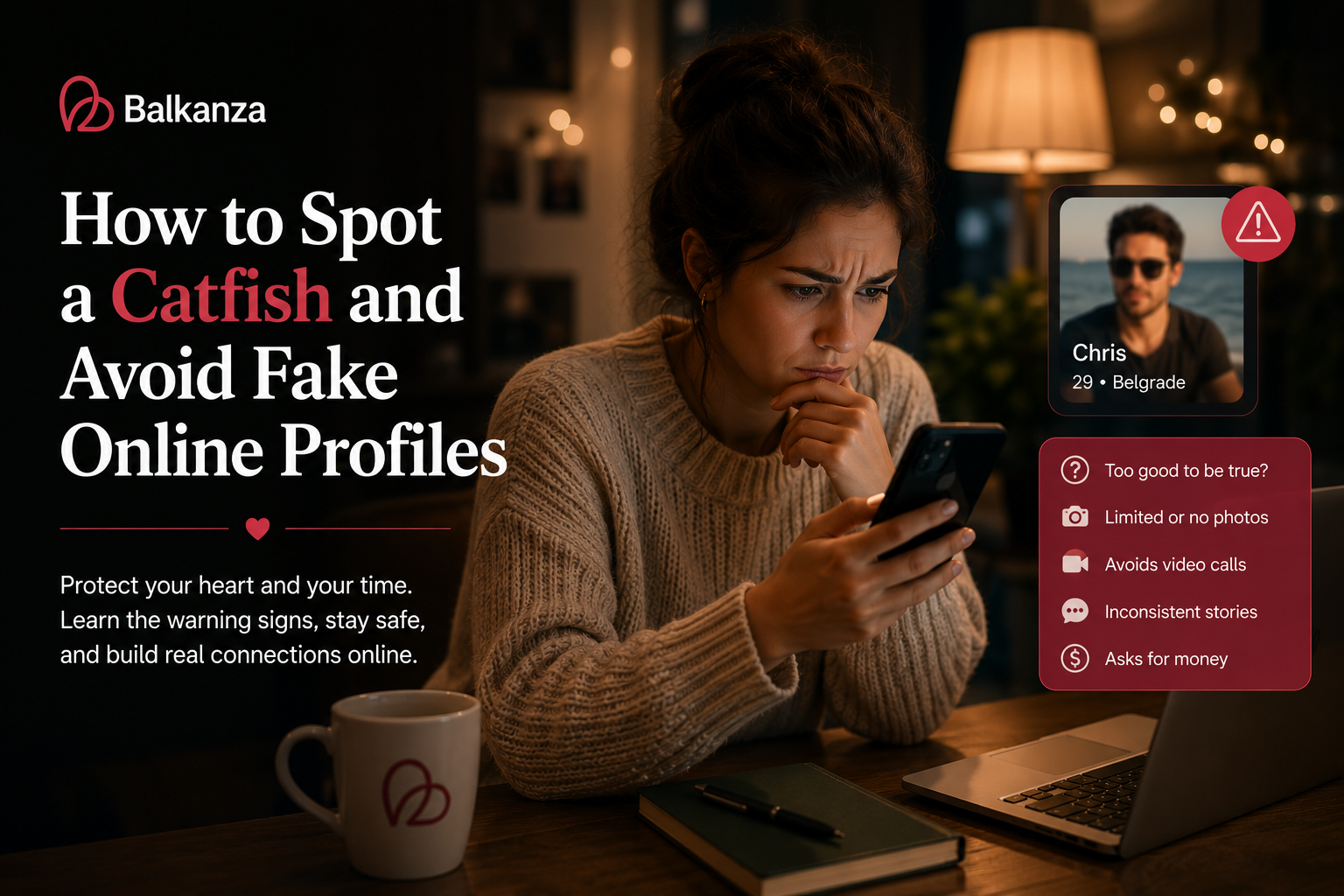
Meeting a wonderful person who seems to share your heritage and values is an exciting experience. With this person, the connection feels perfect and the conversations flow naturally. But eventually you realize the person behind the screen is a total lie. You're heartbroken, disappointed, and left wondering how you missed the warning signs.
Catfishing is a serious problem where people steal images and information to create a fake persona. The reality of digital dating is that some people hide their true selves. This behavior can lead to emotional pain and even financial loss.
In our community, where honesty and family honor are vital, any form of fake identity is a major problem. We want to make sure you have the tools to identify these fake profiles before you become emotionally invested. Understanding the motivations and methods of these individuals is the best way to keep your heart safe.
Table of Contents
What is catfishing online?
Why do people catfish?
The three steps of a catfish attack
Early red flags you should never ignore
7 ways to catch a catfish
Find real love on Balkanza
What is catfishing online?
Catfishing happens when a person steals information and images from others to build a new identity for themselves. Some individuals go as far as stealing a complete identity. They take the name, date of birth, and location of a real person and pretend it is their own. The goal is to trick people into forming emotional or financial bonds with a fake version of a person. This practice is a reality on many dating sites where people want to appear more attractive or successful to lure in targets.
The term became a household name after a documentary called Catfish was released in 2010. It describes a situation where someone hides their true self behind a screen. Some people only fake small details, like their height or a slightly older photo. This is called kittenfishing. A study from the University of Queensland found that people often use these "minor" lies to appear more desirable in a competitive dating world. While it is less severe than a total identity theft, it is still a form of dishonesty that makes it hard to build a real relationship.
Why do people catfish?
People choose to lie about their identity for a variety of reasons. Some are looking for a sense of belonging. Others have malicious goals.
Overcome insecurity. Many catfishers feel bad about their real life. They create a persona that matches what they wish they could be. They use photos of better looking people or pretend to have successful careers to feel admired.
Conceal identity. Some people want to troll others without any consequences. Others are trying to cheat on a spouse or extort money. Hiding behind a fake face makes it harder for people to find them if they commit a crime.
Mental health struggles. Individuals dealing with depression or anxiety might catfish to gain confidence. They feel that a more attractive or successful identity helps them live a more normal life online.
Seek revenge. Some people want to hurt someone they know. They steal that person’s face and name to do illegal things or say mean things online. This is a way to ruin the reputation of a real individual.
Experiment with preferences. Some people use a fake identity to explore different lifestyles or sexual identities without any real world risk.
Harass and stalk. If someone has been blocked, they might create a fake profile to keep following their target. This allows them to see pictures and posts without the victim knowing who is actually watching.
The three steps of a catfish attack
Catfishers follow a specific pattern to trap their victims. Understanding these steps helps you see the trap before it closes.
The Bait. The catfish creates a persona using stolen photos and a fake life story. They make themselves look like the perfect match for their target.
The Hook. They use flattery and mirror your interests to make you feel special. They want you to feel an intense connection very quickly so you become emotionally invested. A 2021 report from the Federal Trade Commission showed that romance scams often rely on this rapid emotional bonding to disable a victim's critical thinking.
The Reel. Once you trust them, they start asking for favors. This might be money, sensitive information, or private photos. They use the emotional bond they built to make you feel like you have to help them.
Early catfishing red flags you should never ignore
You can often spot a fake profile by looking at how the person behaves. These red flags are your first line of defense.
Inconsistent stories. Notice if their details change over time. If they tell you one thing about their job on Monday and something else on Friday, they are likely lying. Catfishers find it hard to keep track of their own fake history.
Avoiding video calls. This is a major warning sign. A catfish will always have an excuse for why they cannot show their face on camera. They might say their camera is broken or they are traveling. Real people in the Balkan diaspora are usually happy to video chat with a potential partner.
Perfect photos. Be wary of profiles that only have professional looking photos. If they look like a supermodel but have no casual or candid pictures, the photos are likely stolen. Most people have a mix of different types of images on their profiles.
Financial requests. Never send money or gifts to someone you have not met in person. Scammers often invent emergencies or medical issues to ask for help. This is a clear sign of fraud.
Rushed intimacy. Watch out for someone who says they love you after only a few days. They are trying to build a deep bond quickly so you are less likely to question their lies. This is a common manipulation tactic.
Lack of connections. Legitimate people have digital footprints like friends, comments, and tagged photos. A profile with no verifiable connections is a sign of a fabricated identity.
7 ways to catch a catfish
You do not need to be a computer expert to protect yourself from a liar. You can find out the truth using these simple methods if you have a feeling that someone is not being honest about who they are.
Run a Reverse Face Search. You can use a tool like FaceSift to scan the internet for that specific face. This tool looks for other websites where the person’s face appears. You will often find that the face belongs to someone else with a different name or profession in another country. Just save the photo and upload it to see the matches. The name not matching what they told you is proof that the profile is fake.
Use Google Reverse Image Search. Go to images.google.com and click the camera icon to upload their profile picture. This search engine finds exact copies of that image file across the web. Catfishers are often lazy and reuse the same stolen pictures. Finding the photo on a model's portfolio or a stranger's social media page means the person is using a fake profile.
Request a live video call. Ask for a video chat immediately without giving them time to prepare. Real people can usually jump on a quick call without an issue. Catfishers will always have an excuse about a broken camera or being busy with work. Treat it as suspicious when they send pre-recorded clips or use low-quality video. You can be sure it is not a recording by asking them to do something specific, like wave or hold up three fingers while they are on the screen.
Search their name and photo together. Put their name and their claimed job or city into a search engine. Most professionals like doctors or engineers will have a digital footprint on sites like LinkedIn or a company page. It is a major red flag when a person with a high-level career has no online history at all. Check to see if the face in the photo matches the person listed on professional sites.
Check the account history. Take a look at when the social media account was first made. Many fake profiles are brand new or show a sudden burst of activity after months of silence. Look at the people who leave comments on their posts. You might be looking at a catfish network when the commenters also have new accounts or seem like fake profiles.
Inspect photo metadata. Pictures sent directly through email or text often contain hidden data known as EXIF. This data can show the date and the exact location where the photo was taken. You can use free online tools to check this information. You know they are not being honest when a person claims they are in Paris but the photo data shows a different country.
Use a phone number lookup. Run their phone number through a service like Truecaller or a similar app. Many catfishers use disposable numbers that are not tied to a real person. A number registered to a place that does not match their story is a sign of trouble. Real people usually have numbers tied to their actual location and identity.
How to avoid getting catfished
Nobody likes being a victim of an online dating scammer. Although you cannot eliminate every risk, you can greatly reduce your chances by following the tips we’ve provided here.
Guard your personal information. Catfishers gain our trust by using the information we share to build fake connections. Be careful about sharing too much with strangers. Save the deep personal details for later in the relationship once you have met in person and built real trust.
Trust your gut feeling. Your instincts often know something is wrong before your brain does. If a situation feels too good to be true, it probably is. Pay attention to that voice in your head. It is also a good idea to talk to a friend or family member about your new connection. They are not emotionally invested and will be better at spotting the lies.
Block and report suspicious behavior. You do not owe anyone your attention. If a person becomes aggressive, starts asking for money, or makes you feel uncomfortable, block them immediately. Most sites have a way to report fake profiles. Using these tools helps keep the whole community safe.
Do not let the fear of catfishing stop you from finding a meaningful relationship. By using the right tools and trusting your instincts, you can find a partner who is genuine. Join Balkanza and start your path to a real relationship with a person who is exactly who they say they are.