How to Be a Good Wife?
 By the Balkanza team
·

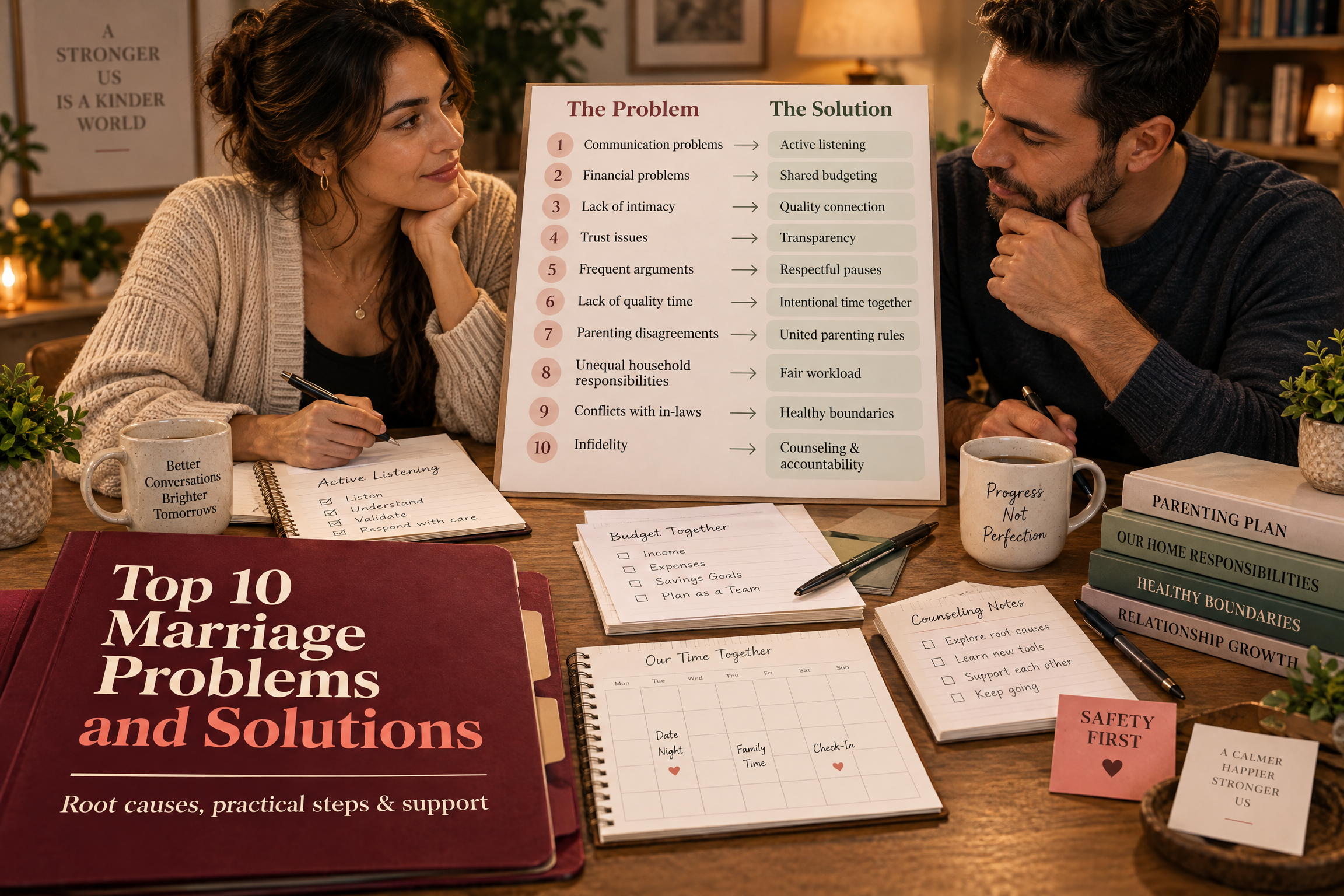
Being a good wife involves building a respectful, supportive, and committed partnership through honest communication, trust, affection, and shared responsibility. A healthy marriage allows both spouses to express their needs, appreciate each other's contributions, and work together through everyday challenges. Strong relationships develop through consistent effort rather than perfection.
Unrealistic expectations can make marriage feel like a constant test of personal worth. A wife does not need to satisfy every demand, sacrifice her identity, or manage every responsibility alone to be a good partner. Clear boundaries, mutual understanding, and fair expectations help spouses maintain a healthy relationship while protecting their individual well-being.
1. Communicate Openly and Honestly
Open communication helps a wife share her thoughts, feelings, and concerns with her husband respectfully. Honest conversations allow both spouses to understand each other's expectations and recognize problems before misunderstandings become recurring conflicts. Discussing emotional needs, finances, family responsibilities, and plans encourages trust and cooperation. Clear communication also helps couples find solutions that consider both partners' perspectives.
2. Listen to Your Husband
Active listening helps a wife understand her husband's feelings, concerns, and perspective. Giving him full attention, asking thoughtful questions, and avoiding interruptions can make conversations more meaningful. Listening does not require agreement with every opinion. It allows both spouses to understand each other's experiences and discuss differences without immediately becoming defensive.
3. Show Appreciation and Gratitude
Expressing gratitude helps a husband feel valued for his efforts, kindness, and contributions to the marriage. A sincere thank you, a thoughtful message, or recognition of everyday responsibilities reinforces positive interactions. Appreciation should recognize emotional support and routine efforts rather than focusing exclusively on major achievements. Regular gratitude helps spouses maintain mutual respect and recognize the work involved in building a shared life.
4. Respect Each Other's Opinions
Respecting a husband's opinions helps create a marriage where both partners feel heard and valued. Spouses can acknowledge different beliefs, preferences, and priorities without dismissing each other's experiences. Respect does not require agreeing on every subject or abandoning personal convictions. Constructive discussions allow couples to understand opposing perspectives and reach decisions that consider their shared responsibilities.
5. Spend Quality Time Together
Quality time helps a wife maintain emotional closeness with her husband despite work, family duties, and daily distractions. Couples can strengthen their connection through meaningful conversations, shared meals, walks, hobbies, or planned dates. Consistent time together gives spouses opportunities to discuss changing needs and enjoy each other's company. Protecting these moments helps prevent daily routines from replacing intentional relationship building.
6. Support His Goals and Dreams
Supporting a husband's goals demonstrates encouragement and commitment to his personal development. A wife can help by listening to his ambitions, celebrating progress, discussing practical plans, and offering assistance when appropriate. Support should remain mutual, allowing both spouses to pursue meaningful personal and professional goals. Couples strengthen their partnership when individual achievements contribute to shared happiness rather than creating competition or resentment.
7. Show Love and Affection
Expressing love through words and actions helps maintain emotional security and intimacy within a marriage. A wife can show affection through kind words, physical touch, thoughtful gestures, and attentive behavior. Discussing preferred expressions of affection helps both partners feel appreciated. Consistent demonstrations of love reinforce commitment and remind spouses that their relationship remains important amid everyday responsibilities.
8. Handle Conflicts Calmly
Calm conflict resolution allows spouses to address disagreements without damaging trust or personal dignity. A wife can explain concerns clearly, avoid personal attacks, and remain willing to consider alternative solutions. Taking a short break when emotions become overwhelming can help prevent hurtful reactions. Constructive discussions focus on resolving the problem rather than proving one partner right.
9. Build Trust and Stay Faithful
Trust grows when spouses demonstrate honesty, loyalty, reliability, and respect for agreed relationship boundaries. A wife can strengthen trust by communicating truthfully, honoring commitments, and discussing mistakes openly. Faithfulness involves respecting the boundaries both partners have established for their marriage. Consistent behavior helps create emotional security and confidence in the relationship.
10. Be Understanding and Patient
Understanding and patience help a wife respond thoughtfully when her husband faces personal, professional, or family challenges. Asking questions and listening carefully can reveal the reasons behind his concerns or behavior. Patience does not mean accepting persistent disrespect or avoiding necessary conversations. A healthy response combines empathy with clear boundaries and a willingness to address problems constructively.
11. Maintain a Healthy Emotional Connection
Emotional connection develops when spouses feel safe sharing their thoughts, worries, hopes, and vulnerabilities. A wife can nurture this connection by showing empathy, asking about her husband's experiences, and expressing her own feelings honestly. Regular conversations help partners recognize changing emotional needs. Mutual openness creates a supportive environment where both spouses feel understood and valued.
12. Share Household Responsibilities
Fairly shared household responsibilities help reduce stress and prevent resentment from developing. Spouses can discuss cooking, cleaning, childcare, family scheduling, and other duties before agreeing on a practical division of work. Fairness does not require identical tasks because schedules and abilities differ. Reviewing arrangements regularly helps couples respond to changing workloads and family needs.
13. Support Each Other During Difficult Times
Emotional support helps spouses manage difficult periods without feeling isolated. A wife can offer encouragement, practical assistance, and patient listening when her husband faces personal or professional challenges. Support should also be available when she experiences difficulties of her own. Mutual care strengthens the relationship by showing that both partners can rely on each other during uncertain periods.
14. Keep Romance Alive in Your Marriage
Romance helps spouses preserve affection, attraction, and intentional attention throughout married life. Couples can maintain romance through dates, thoughtful surprises, affectionate messages, and activities that reflect their shared interests. Small gestures can make everyday routines feel more personal and meaningful. Discussing each partner's preferences helps keep romantic efforts considerate and mutually satisfying.
15. Apologize When You Make Mistakes
A sincere apology demonstrates accountability and respect for a husband's feelings. A wife can acknowledge what happened, recognize its impact, and explain how she plans to avoid repeating the behavior. Meaningful apologies require actions that support the promised change. Taking responsibility helps couples resolve disagreements and rebuild trust without allowing pride to prolong unnecessary conflict.
16. Respect Each Other's Boundaries
Respecting boundaries allows both spouses to maintain personal comfort, privacy, and independence within the marriage. Partners should discuss expectations involving personal space, friendships, communication, and individual time. Boundaries work best when both spouses understand and respect them rather than using restrictions to control each other. Mutual consideration supports emotional safety and a healthier balance between closeness and independence.
17. Encourage His Personal Growth
Encouraging personal growth helps a husband develop skills, confidence, and a stronger sense of purpose. A wife can support learning opportunities, career development, healthy habits, and meaningful interests through practical assistance and positive feedback. Encouragement should respect individual choices instead of imposing a personal definition of success. Mutual support allows both spouses to develop while maintaining their shared commitments.
18. Take Care of Your Own Physical and Emotional Well-Being
Personal well-being helps a wife maintain the energy and emotional capacity needed for a healthy relationship. Regular rest, appropriate physical activity, personal interests, supportive friendships, and time for reflection contribute to a balanced life. Marriage does not require neglecting personal needs to prove commitment. Looking after individual well-being helps both spouses contribute to their relationship without consistently sacrificing their health or identity.
19. Make Important Decisions Together
Joint decision-making helps spouses consider each other's needs before making choices that affect their shared life. A wife should discuss significant financial commitments, family plans, career changes, and household decisions with her husband. Each partner deserves an opportunity to express concerns and explain personal priorities. Collaborative decisions encourage trust and help couples remain aligned on their responsibilities and future plans.
20. Continue Learning and Growing as a Couple
Continued growth helps spouses adapt to changing needs and strengthen their relationship over time. Couples can improve communication, develop shared goals, discuss recurring challenges, and learn practical conflict resolution skills. Reviewing relationship habits helps partners recognize progress and identify areas that need attention. A willingness to learn together supports a marriage built on mutual respect, adaptability, and commitment.
What Makes a Good Wife?
A good wife contributes to a marriage through mutual respect, honesty, care, communication, and shared responsibility. A healthy partnership allows both spouses to express their needs, support each other, and make decisions together. Good marital partnership involves cooperation rather than expecting one person to carry the entire relationship.
Being a good wife does not mean being perfect or sacrificing personal well-being to satisfy every expectation. Healthy spouses acknowledge mistakes, respect boundaries, and work toward realistic improvements. A strong marriage allows each partner to maintain an individual identity while contributing to shared goals and responsibilities.
What Are the Qualities of a Good Wife?
The qualities of a good wife include honesty, respect, communication, emotional support, responsibility, and independence. These qualities help create a balanced partnership where both spouses feel valued and understood.
The qualities of a good wife are listed below.
Honesty: Communicates truthfully and builds trust. Honest conversations help prevent misunderstandings and support reliable commitments.
Respect: Values her spouse's feelings, opinions, and boundaries. Mutual respect allows both partners to express differences without humiliation.
Communication: Expresses needs and listens openly. Clear conversations help couples address concerns and establish shared expectations.
Emotional Support: Offers care and encouragement during challenges. Empathy helps both spouses feel supported through difficult experiences.
Responsibility: Contributes fairly to household and family needs. Shared duties help maintain cooperation and reduce resentment.
Independence: Maintains personal interests, goals, and identity. Individual fulfillment supports personal well-being and a healthier relationship.
Can a Wife Have Her Own Goals and Interests?
Yes, a wife can pursue personal goals and interests while maintaining a committed marriage. Education, career development, friendships, and hobbies can support personal growth and emotional well-being. Individual ambitions do not weaken a relationship when spouses communicate openly and respect each other's priorities.
Mutual support helps couples coordinate their responsibilities while preserving personal independence. Partners can discuss schedules, financial considerations, and family commitments to make room for individual activities. A healthy marriage allows both spouses to develop as individuals while maintaining shared goals and meaningful connection.
How to Be a Better Wife?
Becoming a better wife involves understanding a husband's needs while communicating personal expectations and maintaining mutual respect. First, identify the relationship habits that work well and the areas requiring attention. Second, discuss concerns openly and listen carefully to your husband's perspective. Third, agree on practical changes involving communication, affection, finances, or household responsibilities. Fourth, practice small habits consistently rather than expecting immediate transformation. Lastly, review progress together and adjust expectations as circumstances change. These steps help create a more supportive partnership through realistic effort and shared accountability, as outlined in How to Be a Better Wife?.
How Can You Improve Your Role in Marriage?
A wife can improve her role in marriage by understanding her partner's needs while communicating her own expectations. Regular check-ins, shared decisions, and a fair division of responsibilities can reduce misunderstandings and improve cooperation. A stronger marriage develops when both spouses take responsibility for their actions and work together to solve problems.
Improvement starts with identifying specific behaviors that affect the relationship. A wife might practice active listening, express appreciation more consistently, or raise concerns before frustration builds. Couples can use the Ways to Improve Your Marriage to explore practical habits that support communication, trust, and shared responsibility.
Can Changing Your Daily Habits Help You Become a Better Wife?
Yes, small daily habits can help strengthen a marriage. Expressing gratitude, listening without interruption, and spending quality time together can improve emotional connection. Consistent habits create regular opportunities for spouses to feel respected and appreciated.
Realistic changes are easier to maintain than attempting to transform every aspect of a relationship at once. A wife can begin with one or two habits and gradually build on the progress. Discussing these changes with her husband helps ensure that efforts reflect both partners' needs and expectations.
How Can You Be a Better Wife and Improve Your Marriage?
A wife can improve her marriage by strengthening communication, supporting mutual goals, sharing responsibilities, and respecting both partners' needs. First, discuss what each spouse values and expects from the relationship. Second, identify recurring problems without assigning blame. Third, agree on practical changes that improve fairness and emotional connection. Fourth, make time for affection, shared activities, and honest conversations. Lastly, evaluate progress together and revise expectations when necessary. Understanding can help couples recognize the importance of trust, respect, cooperation, and personal well-being through What Does a Healthy Marriage Look Like?.
How Does a Balanced Marriage Benefit Both Partners?
A balanced marriage allows both partners to contribute, receive support, and pursue personal goals. Fair responsibilities and mutual consideration can reduce resentment and strengthen emotional connection. When both spouses' needs matter, the relationship is more likely to feel supportive and sustainable.
Balance does not mean dividing every task or responsibility equally at every moment. Couples can adjust their arrangements according to work schedules, health, caregiving demands, and individual strengths. Regular discussions help ensure that neither spouse consistently carries an unfair burden or neglects personal needs.
Can a Marriage Work When Spouses Have Different Expectations?
Yes, a marriage can work when spouses have different expectations if they communicate and negotiate respectfully. Differences involving finances, family roles, careers, or time together can be addressed through honest discussion. Couples do not need to agree on everything, but they need workable compromises and respect for each other's boundaries.
Clear expectations help prevent assumptions from turning into recurring disagreements. Partners can explain their priorities, identify shared values, and decide which compromises are realistic. When a difference affects a major life decision, direct discussion becomes especially important before either spouse commits.
How Can a Wife Balance Her Roles in Life?
A wife can balance marriage, family responsibilities, work, and personal interests by setting realistic priorities and sharing responsibilities fairly. First, identify essential commitments and distinguish them from tasks that can be postponed or delegated. Second, coordinate schedules with a spouse and agree on a fair division of household and caregiving duties. Third, protect time for rest, personal goals, and meaningful relationships. Fourth, review routines when circumstances change. Lastly, ask for practical support when competing demands become difficult to manage. A balanced approach helps prevent one role from consistently overshadowing personal well-being.
How Can a Wife Manage Motherhood, Work, and Personal Goals?
A wife can manage motherhood, work, and personal goals by organizing priorities and sharing caregiving and household responsibilities. Flexible routines, realistic deadlines, and support from a spouse or trusted people can ease daily pressure. Reviewing priorities regularly helps prevent burnout and keeps personal ambitions from being consistently overlooked.
Practical planning helps families respond to changing schedules and unexpected demands. Couples can coordinate childcare, household tasks, work commitments, and personal activities through regular conversations. Adjusting expectations during demanding periods allows a wife to pursue important goals without assuming she must manage every responsibility alone.
Is It Possible to Balance Family Life With Personal Ambitions?
Yes, family life and personal ambitions can coexist with planning, support, and realistic expectations. Couples can coordinate schedules, share responsibilities, and support each other's career or educational goals. Balance can look different at different life stages, so flexibility and ongoing communication remain important.
Some periods require greater attention to childcare or family needs, while other stages provide additional opportunities for personal development. Partners can revisit their priorities as circumstances change and make adjustments that protect both family stability and individual fulfillment. Mutual encouragement helps spouses pursue meaningful ambitions without treating personal goals as a threat to the marriage.
What Is the Difference Between a Good Wife and a Perfect Wife?
A good wife works toward a respectful and supportive marriage, while a perfect wife represents an unrealistic ideal that suggests someone must never make mistakes. Healthy relationships allow both spouses to have flaws, express needs, and learn from disagreements. Focusing on mutual growth is more constructive than measuring a wife against an impossible standard.
A strong partnership depends on accountability, kindness, communication, and shared responsibility rather than constant perfection. Both spouses experience difficult emotions, make mistakes, and face changing personal needs. Accepting human limitations allows couples to focus on realistic improvement and a fair distribution of expectations.
Why Is Being a Good Wife Different From Being a Perfect Wife?
Being a good wife means making a genuine effort to maintain a healthy partnership, while being a perfect wife implies never failing or disappointing anyone. Mistakes, changing needs, and personal limits are normal parts of life. Accepting imperfection allows couples to focus on accountability, forgiveness, and realistic improvement rather than constant pressure.
A good partner recognizes when behavior needs to change and takes responsibility for its impact. Perfection, by contrast, creates an impossible standard that leaves little room for learning or personal development. A healthier approach values consistent effort, mutual respect, and progress from both spouses.
Can the Idea of a Perfect Wife Create Unrealistic Expectations?
Yes, the idea of a perfect wife can create unrealistic expectations about appearance, caregiving, household duties, and emotional support. These expectations can place unequal pressure on one partner and make normal mistakes feel like failures. Couples can challenge these standards by defining shared responsibilities and recognizing both partners' needs and contributions.
Unrealistic expectations become especially harmful when one spouse is expected to manage every household task, provide constant emotional support, and sacrifice personal goals. Open conversations help partners distinguish reasonable commitments from unfair demands. Shared responsibility and mutual appreciation create a healthier foundation than rigid expectations about marital roles.
How Can a Wife Maintain Her Independence?
A wife can maintain her independence by protecting her personal interests, friendships, goals, and ability to make informed choices while remaining committed to her marriage. First, identify activities and relationships that contribute to personal fulfillment. Second, communicate individual needs and boundaries clearly. Third, coordinate schedules and shared responsibilities with a spouse. Fourth, make time for personal development and rest. Lastly, maintain open communication so independence and marital connection remain compatible. A healthy relationship supports individual growth alongside shared commitments.
Why Is Personal Independence Important After Marriage?
Personal independence helps a wife maintain her identity, confidence, and ability to make informed choices after marriage. Individual interests and supportive relationships outside the marriage can contribute to emotional well-being. A healthy partnership combines closeness with enough freedom for both spouses to grow as individuals.
Maintaining independence does not mean withdrawing from shared responsibilities or emotional commitment. It allows each spouse to develop personal strengths and interests that enrich the relationship. Mutual respect helps couples preserve individuality while making important decisions together.
Can a Wife Maintain Friendships and Hobbies While Married?
Yes, a wife can maintain friendships and hobbies while married. Personal activities provide enjoyment, social connection, and growth opportunities. Communicating about schedules and respecting each other's interests helps couples maintain independence alongside shared time.
Partners benefit when both spouses have reasonable opportunities to enjoy individual interests and maintain supportive friendships. Discussing schedules and responsibilities can prevent personal activities from creating avoidable conflict. A balanced marriage makes room for personal fulfillment while protecting time for the relationship.
How Can a Wife Handle Unrealistic Expectations?
A wife can handle unrealistic expectations by recognizing personal limits, communicating needs clearly, and establishing reasonable boundaries. First, identify which expectations feel unfair, impractical, or inconsistent with personal values. Second, discuss concerns calmly and explain the impact of excessive demands. Third, prioritize essential responsibilities and request practical support. Fourth, agree on a fairer division of duties and realistic standards. Lastly, seek guidance from trusted people or qualified professionals when pressure persists or becomes difficult to manage. A healthy marriage requires consideration for both partners rather than expecting one spouse to satisfy every demand.
What Should a Wife Do When She Feels Pressured to Meet Every Expectation?
A wife who feels pressured should acknowledge her limits and communicate her needs instead of trying to satisfy every demand. She can prioritize essential responsibilities, ask for help, and establish boundaries around her time and energy. Realistic expectations allow spouses to share responsibilities without placing excessive demands on one person.
A direct conversation can clarify which expectations are reasonable and which require adjustment. Couples can discuss household duties, caregiving, work, appearance, and emotional support without assuming one spouse must manage everything. If pressure causes persistent distress or involves intimidation or controlling behavior, support from a trusted person or qualified professional can help.
Can Couples Benefit From Challenging Traditional Marriage Roles?
Yes, couples can benefit from questioning traditional marriage roles and choosing responsibilities that suit their circumstances. Flexible roles allow both spouses to contribute according to their abilities, schedules, and preferences. Discussing expectations openly and sharing responsibilities fairly can strengthen respect, cooperation, and relationship satisfaction.
Traditional arrangements work for some couples when both partners freely agree to them and feel respected. Other couples prefer a different division of work based on career demands, personal strengths, or family needs. The important factor is mutual agreement rather than pressure to follow a fixed model of marriage.