Why is Marriage Important?
 By the Balkanza team
·
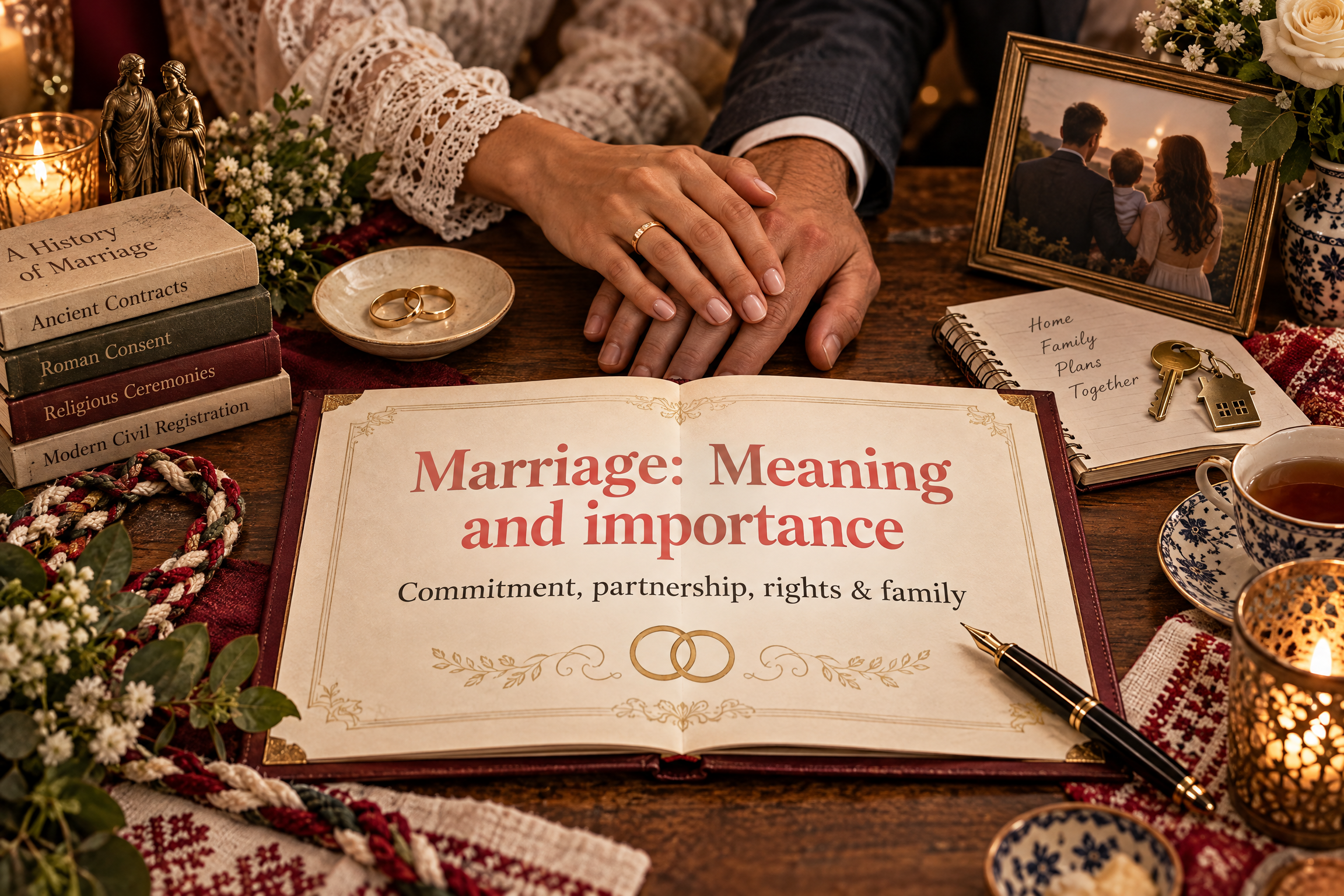
Why is Marriage Important depends on the purposes the union serves for spouses, families, and societies. Why is Marriage Important receives different answers across personal, cultural, religious, and legal contexts. Marriage serves as a recognized framework for companionship, commitment, family life, shared responsibilities, and legal recognition. The CDC recorded 2,128,446 marriages in the United States in 2024, a rate of 6.3 per 1,000 residents. Couples continue to choose the institution even as the median age at first marriage reached 30.8 for men and 28.4 for women in 2025. The main purposes of marriage appear in the sections below.
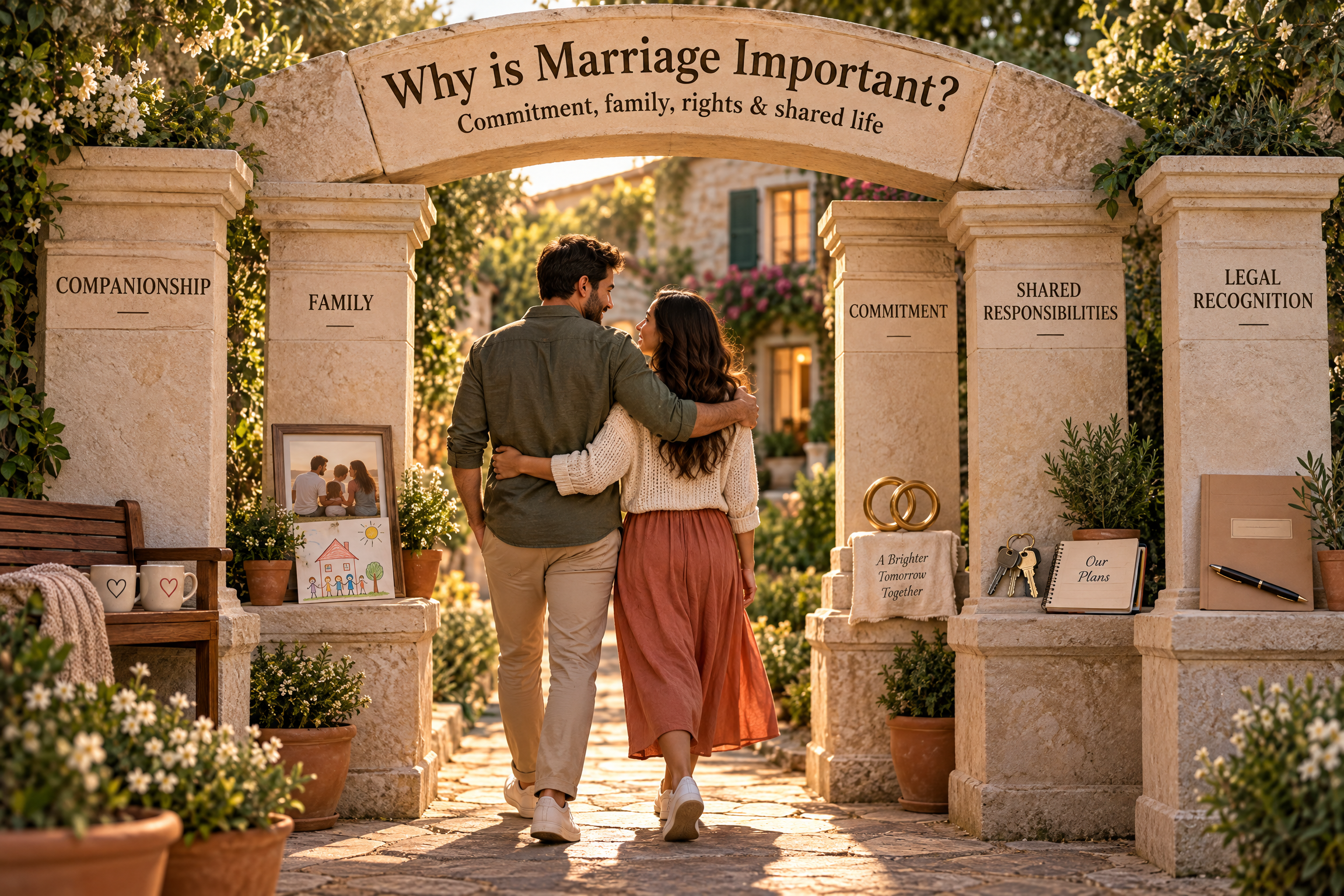
The main purposes of marriage are companionship, family, commitment, shared responsibilities, and legal recognition. Companionship gives spouses a committed partner for daily life and major decisions. Family purposes include a recognized structure for raising children and supporting relatives. Commitment turns a long-term relationship into a formal promise that family, community, and the state acknowledge. Shared responsibilities coordinate money, housing, caregiving, and household work. Legal recognition establishes rights and obligations under applicable law, from inheritance to medical decision-making. Importance varies with personal beliefs, cultural traditions, and individual circumstances, so each couple weighs the purposes differently.
What is Marriage?
Marriage is a legally or socially recognized relationship between spouses involving commitment, responsibilities, and a shared life. The relationship carries personal significance through love, loyalty, and companionship. Cultural significance appears in ceremonies, naming customs, and family roles. Religious significance appears in vows, blessings, and sacramental or covenantal teachings (Christianity, Judaism, Islam). Legal significance appears in registration, property rights, inheritance, and spousal decision-making. Marriage extends beyond a wedding ceremony because the union establishes an ongoing relationship with expectations and responsibilities. A wedding lasts hours or days, while a marriage runs for decades and shapes finances, housing, careers, parenting, and caregiving. Census Bureau data show that married couples headed 47% of American households in 2025, which confirms that marriage remains a major household structure. Registration requirements differ by jurisdiction, and a marriage license plus a recorded certificate create the official record in the United States. The definition connects to wider coverage of Marriage Meaning.
What does Marriage Mean Beyond a Wedding?
Marriage means an ongoing commitment and partnership beyond a wedding, rather than only the ceremony that begins it. The ceremony marks the start, and daily life supplies the substance through shared responsibilities, mutual support, family life, and legal obligations. Spouses coordinate budgets, housing decisions, healthcare choices, and plans for children or aging relatives. Legal obligations include property rules, spousal support, and parental duties that continue after the celebration ends. The meaning and expectations of marriage vary according to the couple, culture, religion, and legal system. Hindu tradition frames the union through the saptapadi, Catholic teaching treats marriage as a lifelong sacrament, and civil systems emphasize consent and registration.
Can Marriage Create a Lasting Commitment?
Yes, marriage creates a lasting commitment by providing a formal framework for a long-term partnership between spouses. Vows, registration, and shared legal obligations reinforce the formal nature of the relationship. Shared responsibilities for housing, finances, and children add daily reasons to cooperate. The strength and duration of a marriage depend on the circumstances, choices, and ongoing efforts of the spouses. Commitment grows through consistent communication, trust, and repair after conflict. CDC data show a national divorce rate of 2.4 per 1,000 residents in 2023, down from 4.0 in 2000, which reflects a long-term decline in divorce.
Why do People Consider Marriage Important?
People consider marriage important because the institution provides companionship, commitment, family structure, and legal or social recognition. Companionship gives spouses a trusted partner for daily life. Commitment gives the relationship a formal promise that relatives and communities respect. Family structure assigns roles for raising children and caring for relatives. Legal recognition protects property, inheritance, and medical decision-making. Article 16 of the Universal Declaration of Human Rights (1948) describes the family as the natural and fundamental group unit of society, entitled to protection by society and the State. Importance depends on personal beliefs, cultural traditions, and individual circumstances. Faith communities emphasize covenant and sacrament, while civil systems emphasize contracts and rights. Marriage serves different purposes for different couples and societies, from family alliances in early societies to emotional partnership in modern households. The United States marriage rate fell from 16.4 per 1,000 residents in 1946 to 6.3 in 2024, which shows that social expectations shift across generations.
Why is Marriage Important in Life?
Marriage is important in life because the union provides a formal framework for partnership, shared responsibilities, and long-term commitment. The framework helps spouses divide tasks, plan finances, and make joint decisions about housing and careers. Legal and social recognition adds protection through inheritance rights, hospital access, and public acknowledgment. Whether marriage is important depends on individual values and life circumstances. Census Bureau data show that one-person households reached 29% of American households in 2025, up from 20% in 1975, which shows that adults build lives through different paths. Adults who prioritize career, faith, or family goals weigh the institution differently at different life stages.
Does Marriage offer Emotional Companionship?
Yes, marriage offers emotional companionship through mutual support, affection, and shared experiences. Spouses provide emotional support during everyday life and during challenging periods (job loss, illness, bereavement). The Harvard Study of Adult Development, launched in 1938, links close relationships to better health and greater happiness in later life. Shared meals, routines, and plans build familiarity that deepens attachment over years. The level of companionship depends on the quality and circumstances of the relationship, including trust, communication, and time spent together.
What are the Main Purposes of Marriage?
The main purposes of marriage are companionship, family, commitment, shared responsibilities, and legal recognition. Each purpose answers a different need within a committed partnership.
The main purposes of marriage are listed below.
Companionship: Provides a framework for a committed partnership built on affection, trust, and daily support.
Family: Provides a recognized structure for family life, including parenting, caregiving, and extended kin ties.
Commitment: Formalizes a long-term relationship through vows, registration, and public acknowledgment.
Shared Responsibilities: Supports cooperation in financial and household matters, including budgets, housing, and chores.
Legal Recognition: Establishes rights and obligations under applicable law, including inheritance, taxes, and medical decision-making.
What is the Point of Marriage?
The point of marriage is to provide a formal framework for couples who choose to establish a committed partnership. The framework combines emotional, social, cultural, and legal aspects of a relationship into one recognized union. Emotional aspects include affection, trust, and companionship. Social aspects include public recognition among relatives, friends, and employers. Cultural aspects include ceremonies, names, and traditions that connect couples to ancestors and communities. Legal aspects include a marriage license, civil registration, and rights tied to property, taxes, and inheritance. The specific purpose varies according to the couple’s goals, beliefs, and circumstances. Couples who value faith emphasize vows before a religious community, while couples who value legal security emphasize registration and protections.
Can Marriage help Couples Build a Shared Future?
Yes, marriage helps couples plan and build a shared future by providing a framework for coordinated goals. Couples align goals involving finances, family, housing, careers, and lifestyle, including homeownership, retirement savings (401(k), IRA, pension), education funding, and relocation. Joint planning turns separate ambitions into a common timeline with defined responsibilities. Building a shared future depends on communication, cooperation, and agreement about important priorities. Regular budget reviews, honest conversations about career moves, and flexible plans for children keep the future realistic as circumstances change.
How does Marriage Benefit a Family?
Marriage benefits a family by providing a formal framework for shared responsibilities, family planning, and legal recognition. Spouses coordinate financial, household, and caregiving responsibilities through shared budgets, divided chores, and joint decisions about childcare. Family planning conversations cover the number and timing of children, housing needs, and education goals. Legal recognition protects family members through inheritance rights, parental rights, and access to employer-sponsored family health insurance. Federal child statistics show that 65% of American children lived with two married parents in 2022, and 5% lived with two cohabiting parents. Extended relatives gain clearer roles when a marriage links two family networks through in-laws and shared celebrations. Family outcomes depend on the quality of the relationship and the broader social and economic circumstances. Income stability, housing costs, health, and community support influence how well a household functions. Marriage supplies structure, and effective communication and mutual respect turn the structure into daily family support.
How can Marriage Strengthen Family Life?
Marriage strengthens family life by creating a recognized partnership for managing household responsibilities and supporting family members. Cooperation between spouses establishes consistent routines for meals, school schedules, medical appointments, and finances. Census Bureau data from 2023 show that 23% of children under age 15 in opposite-sex married-couple families had a stay-at-home mother and 1% had a stay-at-home father, which shows that households divide caregiving in different ways. Effective communication and mutual support remain important to healthy family relationships. Regular family meetings, fair task sharing, and respectful conflict resolution keep routines stable. Extended relatives contribute childcare, advice, and celebrations when the marriage links two family networks.
Does Marriage Provide a Stable Environment for Children?
Yes, marriage provides a stable environment for children in households where spouses cooperate and maintain a healthy relationship. Two committed parents share income, supervision, and caregiving, and legal recognition clarifies parental rights and duties. In 2025, 65% of children lived with two biological parents, and 94% of those children lived with married parents. Stability depends on relationship quality, low conflict, income security, and community support, so single-parent and cohabiting households raise thriving children. Single mothers headed 86% of single-parent households in 2025.
What Value does Marriage Bring to Couples?
Marriage brings couples companionship, formal commitment, shared responsibilities, and legal recognition. Companionship supplies a trusted partner for celebrations and setbacks. Formal commitment turns private intentions into public promises that relatives and communities support. Shared responsibilities let couples coordinate income, housing, healthcare, and household work with clear expectations. Legal recognition adds rights and obligations, and a 2004 review by the U.S. Government Accountability Office counted 1,138 federal provisions that depend on marital status. Couples benefit from coordinating financial, household, and family decisions through joint planning on budgets, savings, insurance, and retirement. Healthcare access, hospital visitation, and survivor benefits form part of the practical value. The value of marriage varies according to each couple’s goals, beliefs, and circumstances. Couples who prioritize faith value the covenant, couples who prioritize security value legal protection, and couples who prioritize partnership value shared decision-making. Anniversaries, engagements, and weddings give couples milestones that families and friends celebrate with traditions and Gifts for Couples.
What are the Main Benefits of Marriage?
The main benefits of marriage are companionship, legal rights, financial support, family structure, and mutual support. Each benefit addresses a practical or emotional need within a long-term partnership. The availability of legal and financial benefits depends on the jurisdiction.
The main benefits of marriage are listed below.
Companionship: Provides a framework for committed partnership through affection, trust, and shared experiences.
Legal Rights: Provides property, inheritance, and decision-making rights recognized by courts and institutions.
Financial Support: Allows couples to coordinate income, expenses, and financial planning through joint accounts and shared goals.
Family Structure: Provides a recognized framework for family responsibilities, parenting, and caregiving.
Mutual Support: Encourages shared emotional and practical responsibilities during health, career, and family changes.
Can Marriage Provide Practical and Financial Support?
Yes, marriage provides practical and financial support by enabling shared financial planning between spouses. Couples share expenses, household responsibilities, assets, and financial goals, and shared budgets reduce duplicated costs for housing and utilities. In the United States, married couples file joint tax returns, and the unlimited marital deduction exempts assets passed to a spouse who is a U.S. citizen from federal estate and gift tax. Social Security spousal benefits reach up to 50% of the worker’s full retirement benefit. The specific financial and legal benefits depend on the jurisdiction and the couple’s circumstances.
Why do some People Choose to get Married?
People choose to get married for companionship, commitment, family goals, legal recognition, cultural traditions, and shared responsibilities. Companionship attracts partners who want a trusted confidant for decades. Commitment attracts partners who want a public promise. Family goals attract partners who plan to raise children or care for relatives within a recognized structure. Legal recognition attracts partners who want inheritance, healthcare, and property protections. Article 12 of the European Convention on Human Rights (1950) protects the right to marry and found a family, and Obergefell v. Hodges in 2015 extended legal marriage to same-sex couples across the United States. Cultural traditions (saptapadi, ketubah, handfasting) give weddings ancestral meaning. Shared responsibilities attract partners who want to coordinate money, housing, and daily life. Marriage provides a formal framework for building a life together. Reasons vary according to personal values, circumstances, culture, and goals.
What are the Alternatives to Marriage?
The alternatives to marriage are cohabitation, domestic partnership, long-term partnership, single-parent family, and extended family. Each alternative organizes relationships and caregiving without a marriage license. Legal protections differ widely across the options and across jurisdictions.
The alternatives to marriage are listed below.
Cohabitation: Living together in a committed relationship without marriage, a path followed before the wedding by 76% of women who married between 2015 and 2019.
Domestic Partnership: A formally recognized partnership in specific jurisdictions (California since 1999, France through the PACS since 1999).
Long-Term Partnership: A committed relationship without formal marital status, supported by agreements on property and caregiving.
Single-Parent Family: Family life centered on one parent and children, a structure that 26% of American children live in.
Extended Family: Family support involving relatives across households, including the 3% of children who live only with grandparents.
Is Marriage Necessary for Everyone?
No, marriage is not necessary for everyone, because personal values, faith, finances, and life goals shape the decision. Adults build committed lives through cohabitation, domestic partnership, long-term partnership, and extended family support. About 3.2 million children under 18 lived with cohabiting parents in 2023, up from 2.2 million in 2007. Unmarried partners secure protections through wills, powers of attorney, and cohabitation agreements. Marriage remains the most direct legal path to spousal rights, so couples who want automatic inheritance and decision-making authority weigh the choice against alternatives.
How has the Role of Marriage Changed?
The role of marriage has changed from being strongly tied to family, property, religion, and social expectations toward greater emphasis on personal choice and partnership. Legal rights shifted through New York’s Married Women’s Property Act of 1848, Loving v. Virginia in 1967, and California’s no-fault divorce law of 1969. Gender roles moved from fixed breadwinner and homemaker duties toward negotiated sharing, and economic independence allowed spouses to marry for partnership rather than survival. Federal data show that 88% of American children lived with two parents in 1960 compared with 69% in 2016, while the share living with a single mother rose from 8% to 23%. The marriage rate fell from above 10 per 1,000 residents in the early 1980s to 6.3 in 2024. Social attitudes shifted as cohabitation, later weddings, and chosen childlessness gained acceptance. Marriage remains important in societies across the world but serves different purposes for different people.
Why does Marriage Matter in Modern Society?
Marriage matters in modern society because the institution provides a recognized framework for partnership, family life, shared responsibilities, and legal rights. The framework organizes responsibilities between spouses and provides formal legal recognition that employers, insurers, hospitals, schools, and courts accept. Pew Research Center reported that 51% of American adults were married in 2023. Importance varies according to individual, cultural, social, and legal circumstances, and communities weigh the institution through faith, tradition, and economic realities. Public policy treats marital status as a factor in taxes, benefits, and parental rights, which keeps marriage connected to everyday administration of family life.
Does Marriage Still Have Value Today?
Yes, marriage continues to have personal, social, cultural, and legal value for adults who choose the institution. Marriage provides commitment, companionship, shared responsibilities, and legal recognition. The CDC recorded 86,520 more marriages in 2024 than in 2023, rising from 2,041,926 to 2,128,446. The value of marriage is not universal and depends on individual goals, beliefs, and circumstances. Couples who want a public promise, family structure, and legal protection find the institution relevant, while couples who prefer other arrangements build commitment through different frameworks.
How can Balkanza Help You Understand the Importance of Marriage?
Balkanza helps singles understand the importance of marriage through a sequence of steps that connect personal values, family expectations, and serious intent. First, a free profile takes about three minutes and asks for country of origin, religion, language, and family values, so singles clarify what marriage means to them before meeting anyone. Second, AI Tetka delivers a daily handful of matches built around humor, heritage, and lifestyle, and the homepage demo shows a 94% compatibility score next to a profile. Third, direct chat lets matched singles discuss roles, children, finances, and faith in marriage. Fourth, monthly virtual kafana meetups and live events in Chicago, NYC, Berlin, and Melbourne show how family traditions and community shape married life. Fifth, couple stories (Lejla and Ivan at 14 months, Marko and Ana engaged in October 2025) show how conversations become commitment. Lastly, singles who want to see how a platform built around marriage values works start with Balkan Singles Near Me.